Choose another country or language to view content for your location.

De Stokerij: from brownfield to future-proof SME park

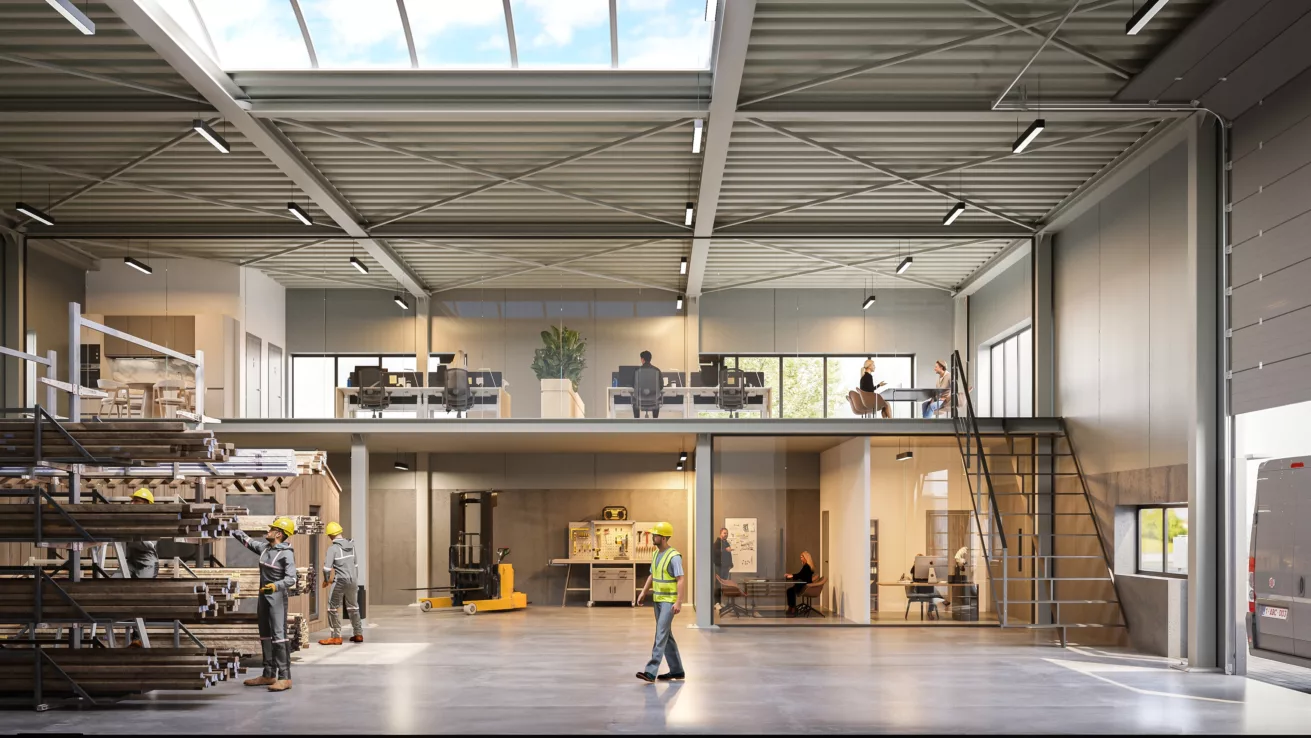
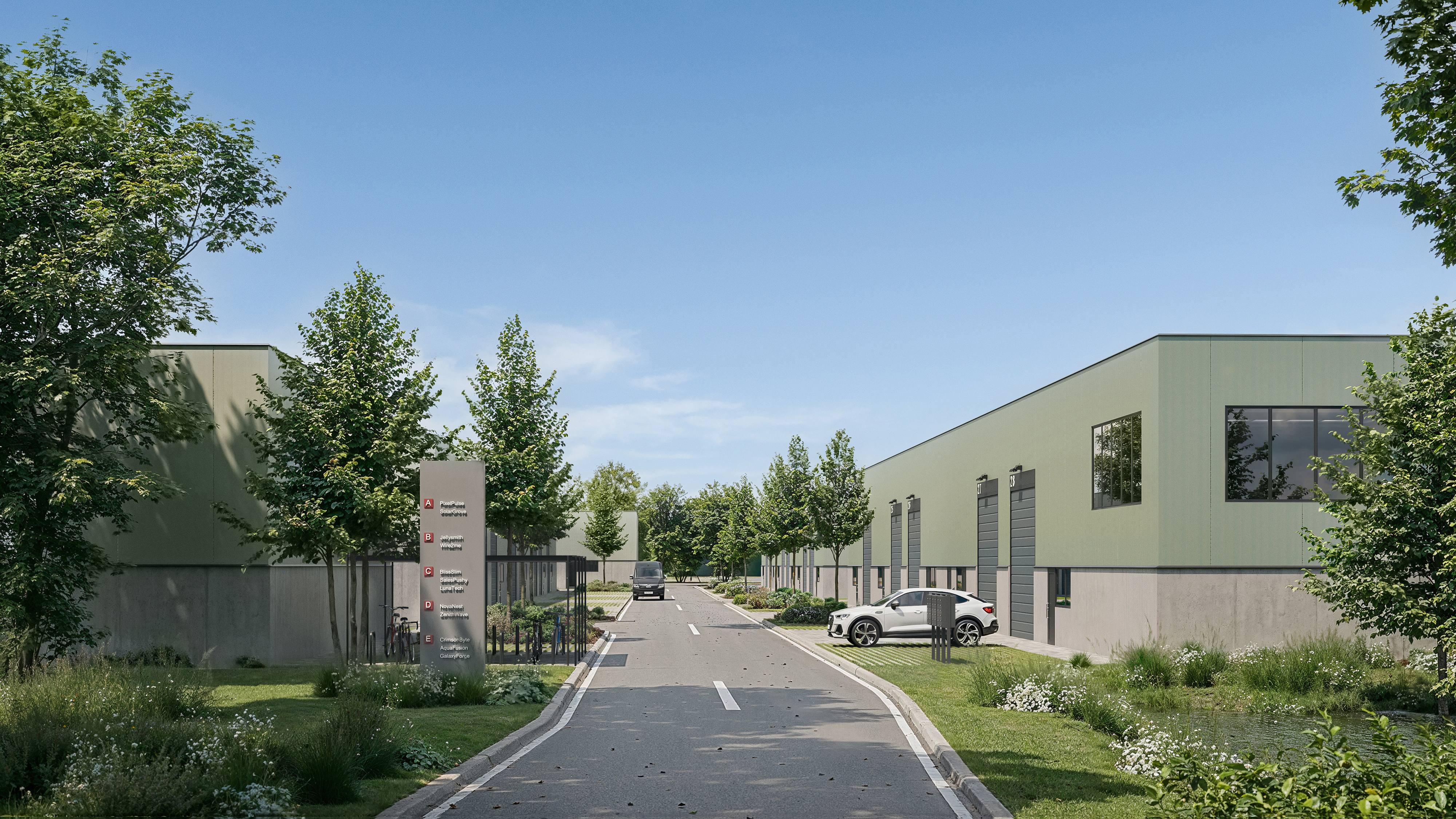
Anyone who has read our case study on SME real estate will know that industrial land is becoming increasingly scarce. Available sites often have an industrial past. The site in Halle, where the outline of De Stokerij will soon become visible, was no different in this respect. With 41 SME units in six buildings, this business park ticks all the boxes for entrepreneurs looking for a strategic location. The flexible units (106 to 390 m², clear height 6.5 m) are suited to a wide range of activities, from warehouse to showroom or workshop. Besides being a home base for entrepreneurs, De Stokerij also has a positive impact on the surrounding area and the environment.

Building on sustainability

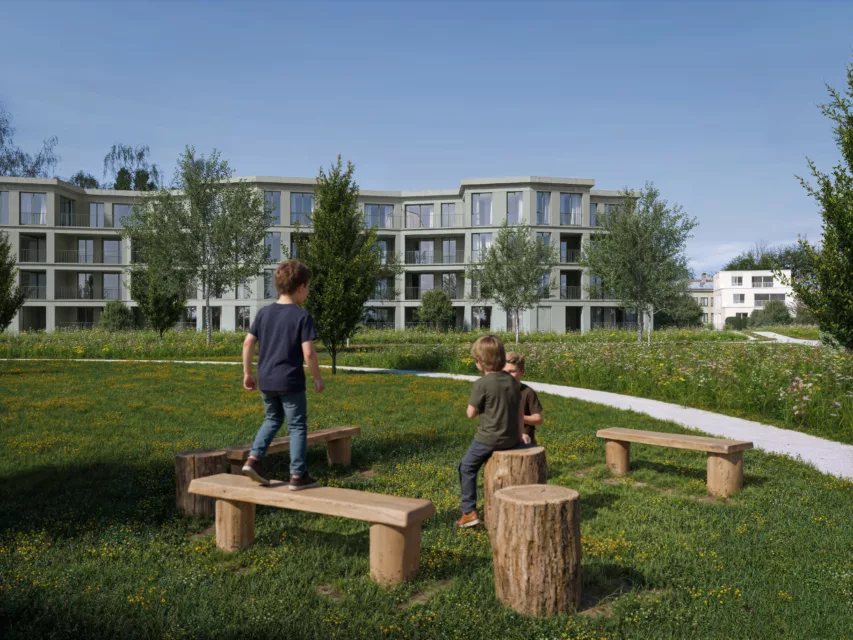
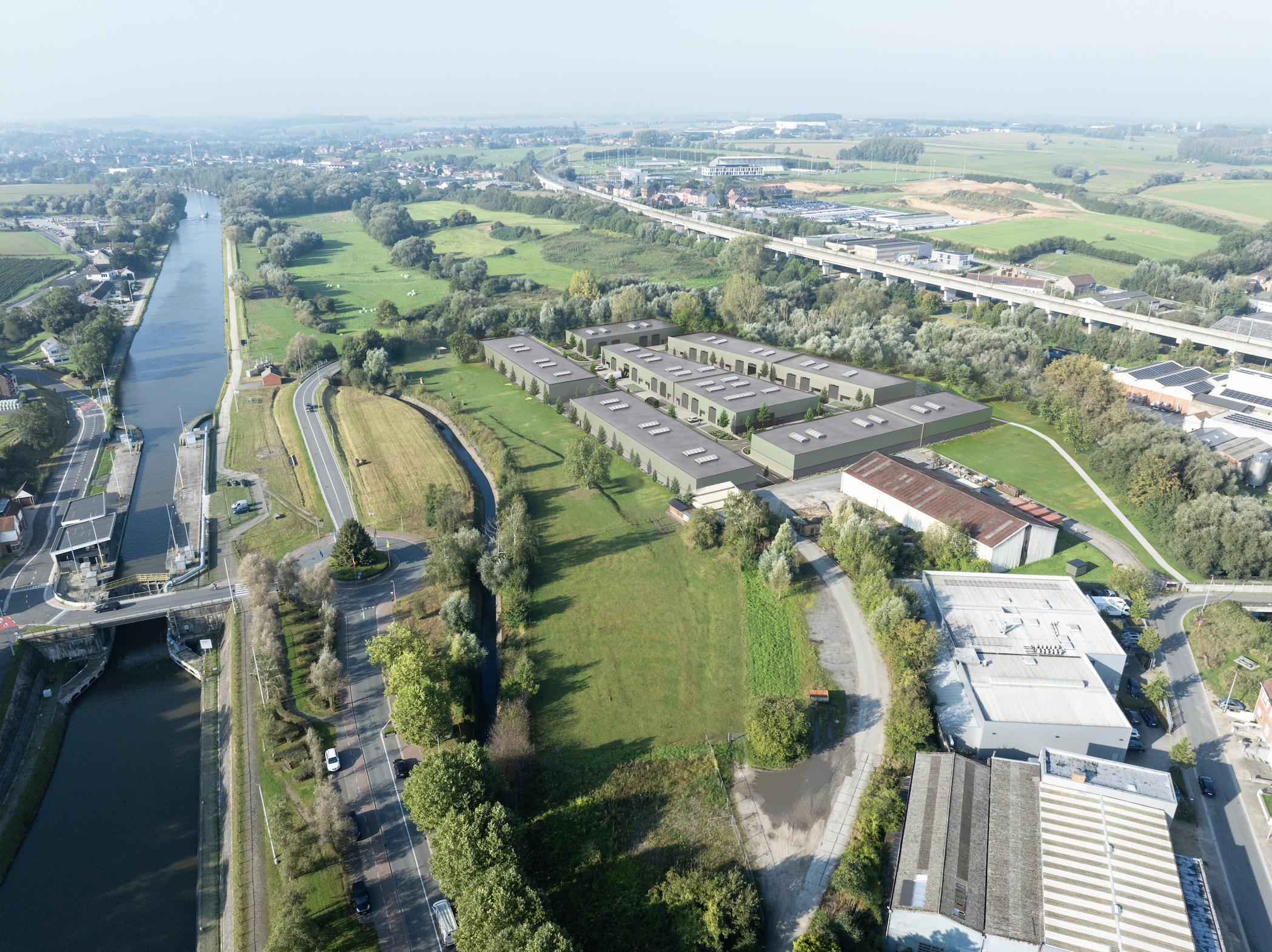
De Stokerij will be a gas-free business park and the precious existing greenery will be preserved as much as possible. The River Zenne will also regain a prominent role within the landscape.  Moreover, the site will have 79 new trees and wadis as part of a smart water management programme. Once a desolate brownfield, it will be transformed into a green biotope with a focus on biodiversity and well-being. De Stokerij is founded on a clear vision. “Sustainability is at the heart of everything we do,” says Philippe Nelen, COO of Antonissen. “We deliberately chose to give a former industrial site a new lease of life, rather than carve up open space. When we acquired this contaminated site, we were keenly aware that soil remediation here would be complex and challenging. We are glad that we could rely on the expertise of Joris Crynen, the site’s former owner, for this. Joris is the CEO of Santerra, a Belgian company with over 25 years of experience in soil remediation. As such, he played a crucial role in the first phase of this sustainable project.”

Brownfield covenant

”We acquired the site in Halle with the intention of remediating and developing it ourselves,” says Joris Crynen, CEO of Santerra. “A brownfield covenant was concluded for the repurposing. After years of consultation with the government, local councils and local residents, we were finally able to table a plan. Then Antonissen contacted me because they were interested in the land. We soon came to an agreement. As the new owner, Antonissen would take on the development of the SME business park, while we remained responsible for soil remediation. That way, both parties could focus on their respective expertise, which was necessary as the soil remediation was a complex undertaking.

Across land and water

The proximity of the River Senne made everything even more complex, as there were three types of pollution. The first was fuel oil, which can normally be excavated relatively easily. However, the site was home to a soap factory in the past. The soap residue had caused the fuel oil to partially dissolve in the subsoil. There were also solvents, which were located in another core. Because solvents are heavier than water, there was a risk that they would flow into the Senne, adding to the sense of urgency. The soil with solvents had to be transported by barge to the Netherlands for thermal processing, while the soil with fuel oil and soap residues was shipped to Antwerp. Ultimately, seven barges were needed to remove 7,000 tonnes of contaminated soil. Thanks to barge shipping, 250 trucks were kept off the Brussels and Antwerp ring roads. 

Procedural wrangle

Before the shipments could start, the necessary permits had to be obtained. Because Flanders and the Netherlands have different standards, the contaminated soil had to be stored on site so Santerra could carry out the required analyses, after which they could file the permit applications. Proximity to the canal was definitely an asset for soil shipment by barge, but the nearest quay was in the city centre of Halle. The quay at Clabecq was deemed more suitable as a result. Although it was not that far from the site, a permit was needed to transport the soil by trucks from Flanders to Wallonia. A second permit was needed to sail up the canal through Brussels. Finally, an export agreement from Flanders and an import agreement from the Netherlands were also required to ship some of the contaminated soil to the Netherlands. 

All’s well that ends well

Conducting the analyses and obtaining all the necessary permits took four months in total. Crynen is satisfied with the results, however. “When you embark on such an adventure together, you have to be sure that you have got the right partner on board, because you are in the same boat together. Trust and openness are crucial, as you can imagine, something I felt from my very first contacts with Antonissen. I definitely would do it again.”

Because industrial land is scarce, there are no plans for the development of a new business park any time soon. So anyone looking for an SME site in a strategic location had better hurry. There are still a few flexible units available at De Stokerij. 

Interested? Contact us today. Our advisers are at your service

Make an appointment

Discover De Stokerij

De Stokerij

Location
Halle, Belgium
Layout
41 SME units
Price
Prices starting from €195.000
Read more
New
  • A prime location in Lembeek, just outside Brussels
  • Multimodal accessibility by road and water
  • Flexible shell units for SMEs

Related news articles

View all news items

Invest in Luxembourg’s newest hotspot

Belval is often called the city of the future. Originally, its skyline was dominated by the blast furnaces of the steel industry. In recent years, however, the area has become a textbook example of future-forward transformation and urbanisation. The district is home to major financial players, while the University of Luxembourg draws thousands of students, academics and expats, with a growing number of start-ups and innovative companies in their wake. A new project, called B-Hive, is now slowly taking shape within this rapidly transforming district.

Read more

InFocus: Ghent’s student housing crisis – a smart opportunity with The Albert

Ghent’s student housing shortage presents a unique investment opportunity. With an estimated structural deficit of 10,000 to 12,000 rooms, demand has never been higher. The Albert responds strategically with 110 modern, turnkey units in a prime location close to Ghent-Saint-Pieters. Bram Vermeulen (Real Estate Advisor, Antonissen Development Group) explains why investing in student housing – and specifically in The Albert – is a solid, hassle-free and profitable choice.

Read more

5 reasons why Kuringen Park is a smart investment

If you invest in an apartment, you want your investment to pay off and find a tenant very quickly. Kuringen Park ticks all the boxes: a great location, modern comfort and a nice range of one and two-bedroom apartments with a spacious terrace. Exactly what a growing cohort of people are looking for, making it a very interesting proposition for you as an investor.

Read more